What is a tax-free Personal Allowance?
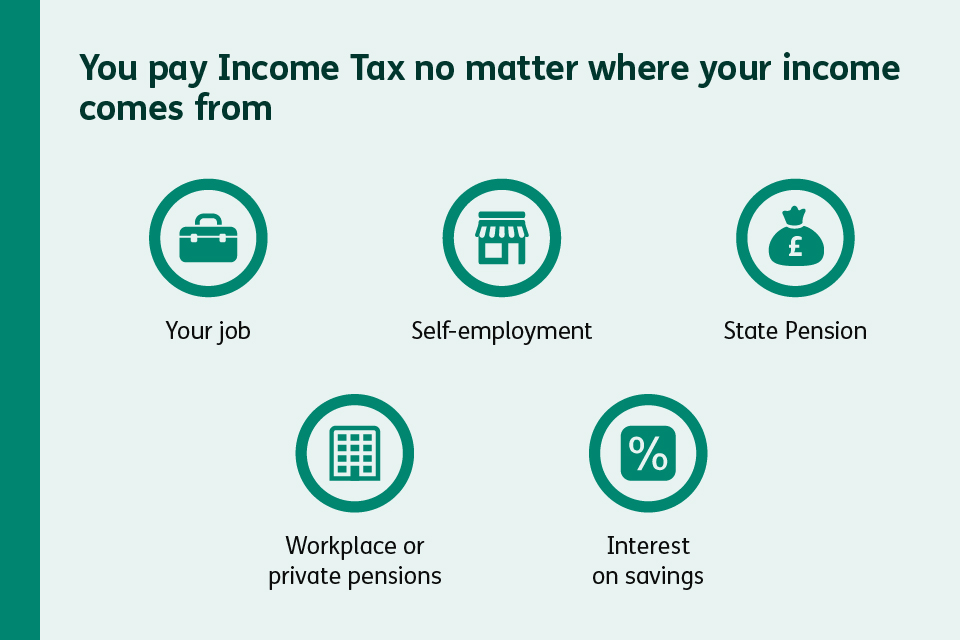
Everybody who makes money has to pay something called ‘Income Tax’. This is the case no matter where your income comes from, whether it’s:
- your job
- self-employment
- State Pension
- workplace or private pensions
- interest on savings
But you don’t pay tax on all the money you make. Most people are allowed to get a certain amount of income each year before they start paying any tax at all. That tax-free amount is called your Personal Allowance.
The standard Personal Allowance is £12,570 for each tax year.
Key thing to remember:
The tax year always runs from 6 April to 5 April the following year.
If you have a Personal Allowance and you make more than £12,570 in a year, you only pay tax on the bit above it.
Here’s an example:
Rebecca earns £20,000 a year.
She has a tax-free Personal Allowance of £12,570.
That leaves £7,430.
Rebecca will only pay tax on that amount of money.

Different tax rates as you earn more
The amount of tax you pay on anything above your tax-free Personal Allowance depends on how much you make that year.
You can think of tax rates a bit like steps on a staircase. As you earn more money, you step up to a higher tax rate. But only the top part of your earnings – the part on that higher step – is taxed at a higher rate, not all of your money.
Income Tax rates*
| Your income | Your Income Tax rate |
|---|---|
| Up to £12,570 | 0% (Tax-free Personal Allowance) |
| £12,571 to £50,270 | 20% |
| £50,271 to £125,140 | 40% |
| Over £125,140 | 45% |
*Income Tax rates for England, Wales and Northern Ireland
Key thing to remember:
Scotland has its own Income Tax rates, so if you live there, slightly different bands apply. You can find out more about the Scottish rates on GOV.UK.
Not all income is taxed the same
A common worry is that moving into a higher tax rate band means that all your income will be taxed at that higher rate. Don’t worry, that’s not the case.
Here’s an example:
Jake makes £30,000 a year.
The first £12,570 he makes is tax-free (his Personal Allowance).
The remaining £17,430 is taxed at 20%.
His total Income Tax for the year is £3,486.
Kate makes £70,000 a year.
The first £12,570 is tax-free (her Personal Allowance).
The next £37,700 is taxed at 20% – that works out at £7,540.
The remaining £19,730 is taxed at 40% – that works out at £7,892.
Her total Income Tax for the year is £15,432.

Higher earners have a lower Personal Allowance
The Personal Allowance helps you keep some of your income tax-free, but if you begin to make above £100,000, your Personal Allowance starts to decrease.
In fact, for every £2 you make over £100,000, you lose £1 of your allowance. By the time you make more than £125,140, your allowance reaches £0, so you pay tax on all the money you make.
Your tax code shows your allowance
If you’re employed, you’ll get a payslip whenever you get paid. One of the things you’ll see on there is your tax code. It’s a mix of numbers and letters that tells your employer how much your tax-free Personal Allowance is.
Key thing to remember:
The most common code is 1257L, because the standard tax-free Personal Allowance is £12,570 a year.
If this is your tax code, your employer sees it and knows that you can earn £12,570 from your job before paying any Income Tax.
You might get other allowances too
Personal Allowance is just one of the tax-free allowances available. If you make money outside of your main job, there might be others that you could benefit from. These include:
- Personal Savings Allowance – for money you get as interest from savings
- Trading Allowance – for money you make from a side hustle
- Dividend Allowance – for money you get as dividends
- Capital Gains Tax Allowance Exempt amount – for profit you make on things you’ve sold
- Marriage Allowance – lets you share your unused Personal Allowance with your partner
It sounds like a lot to get your head round, but at the end of the day, tax-free allowances are here to help you. So, getting to know how they work should benefit you in the long run.